NutritionFor Clinicians
In-Season Foods and Ideas to Use Them in Recipes
Buying produce in season means better flavor, more nutrients, and lower prices — plus creative recipe ideas for each.
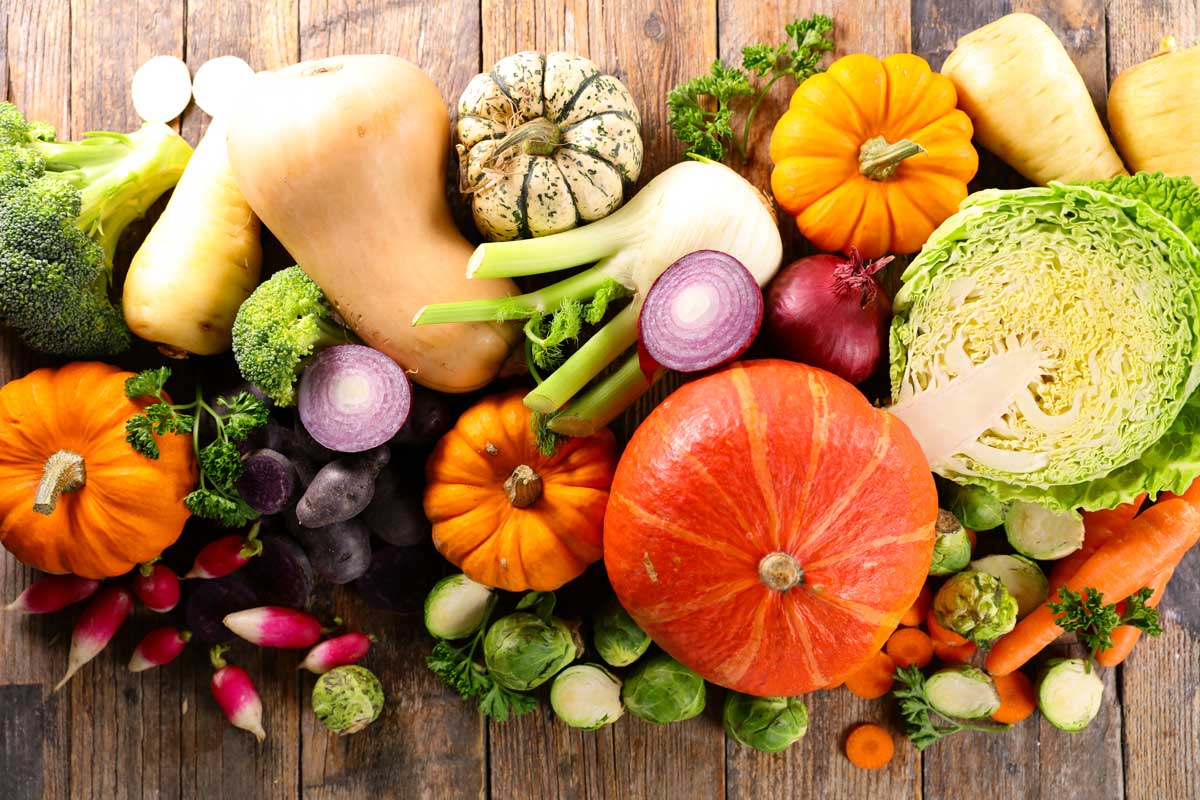
If you haven’t focused on buying your fruits and veggies in-season in the past, now is the time! Buying in-season foods offers so many benefits. Some of the advantages of choosing foods that are in season include:
- Better Flavor and Quality: In-season produce is typically harvested at its peak of ripeness. This means it is more likely to be fresher and have better flavor and texture compared to out-of-season produce that may have been transported long distances.
- Nutrient-Rich: Seasonal fruits and vegetables are often more nutrient-dense because they spend less time in transit and storage. This can result in higher vitamin and mineral content.
- Supports Local Agriculture: When you buy in-season foods from local farmers or markets, you support local agriculture and the economy. This can help sustain small-scale farmers and preserve farmland in your community.
- Reduces Environmental Impact: Out-of-season produce is often grown in greenhouses or transported long distances, which can result in a higher carbon footprint. Buying in-season foods that are locally sourced reduces transportation-related emissions and energy use.
- Cost Savings: In-season produce is generally more abundant and, therefore, less expensive. You can often find good deals on fresh, local foods when they are in season.
- Variety and Culinary Inspiration: Seasonal foods encourage culinary creativity and variety in your meals. You can experiment with different recipes and ingredients as the seasons change.
- Food Safety: Seasonal foods are often subject to fewer chemicals and preservatives, as they don't need to be stored for long periods.
- Pumpkins
- Winter squash (butternut, acorn, spaghetti)
- Sweet potatoes
- Apples (from nearby regions)
- Pomegranates
- Bell Peppers
- Tomatoes (through October)
- Citrus fruits (oranges, grapefruits, lemons)
- Leafy greens (kale, lettuce, spinach)
- Root vegetables (carrots, radishes)
- Broccoli
- Cauliflower