Putting Body Composition to the Test
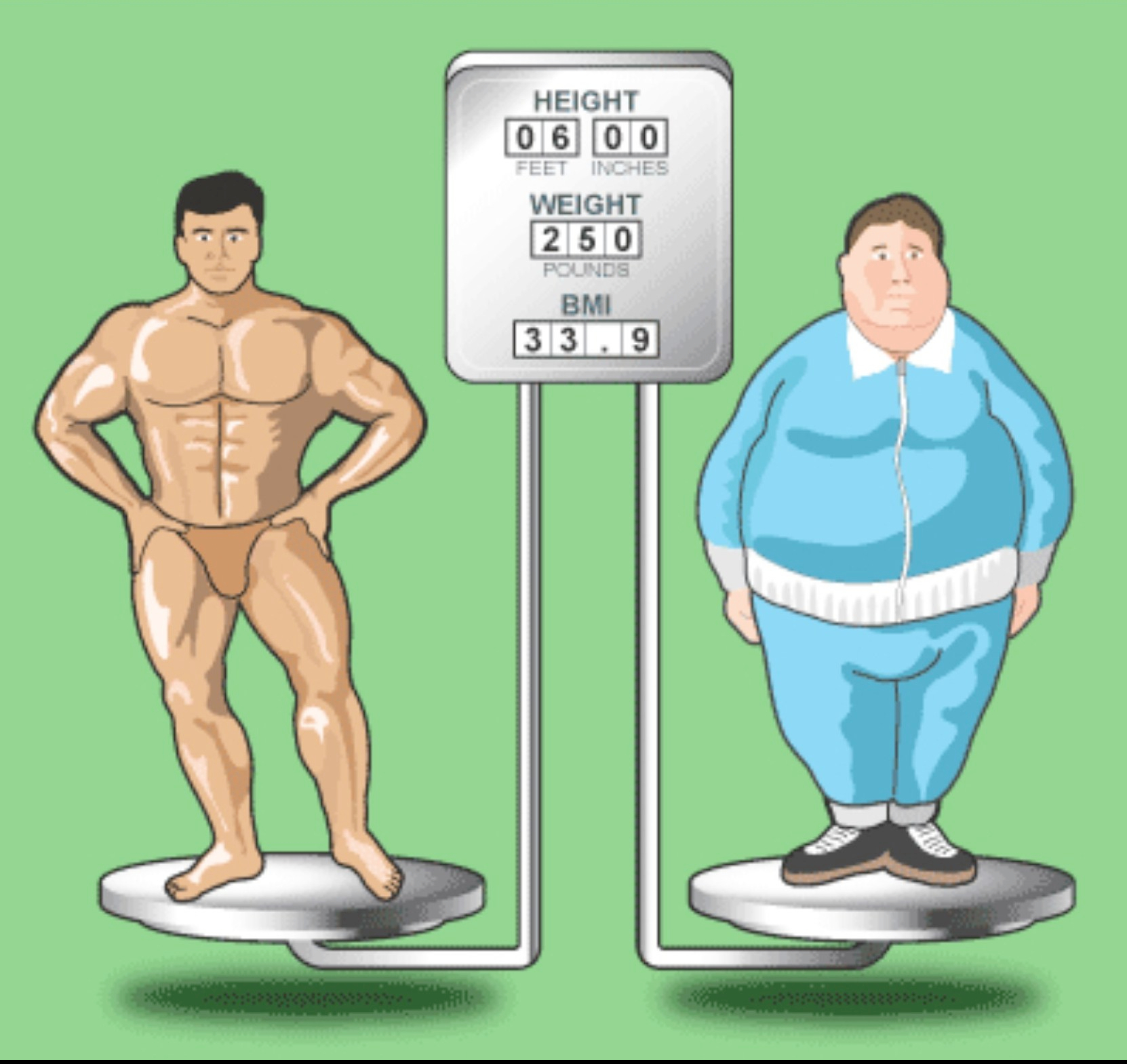
The bottom line is there are many ways to measure body composition.
BodPod
The BodPod uses air displacement plethysmography to test body composition within a +/- 3% error margin. This means that it uses air to measure body volume and can differentiate between lean and fat mass fairly accurately. It's a bit daunting for those with claustrophobia and looks a bit like a space shuttle. Luckily the whole procedure is not invasive and pretty quick. I had mine done at SFSU's Dept. of Kinesiology for about $45.
This is what the pod looks like. And this is what you get printed out. % Fat, % fat free mass, fat mass, fat free mass and some other body measurements. It also puts you in a rating box based on your % body fat, and also measures your resting metabolic rate (RMR). Pros: Arguably one of the most accurate ways to measure body composition within a small margin of error. Takes a short amount of time and no prior fasting required. Cons: Must wear a bathing suit or gym clothes and no metal objects. Not great for claustrophobic folks. Does not give you segmental analysis of the fat/lean mass on different parts of your body.InBody
The InBody (the one you step on in our office) uses bioelectrical impedance to measure fat, lean muscle and water. As our patients know, besides an annoying jingle for 30 seconds, it's pretty quick, painless, non-invasive and you can wear normal clothes with no prior fasting required. Using low level electrical currents, it measures the different componnets of your body based on the resistance they have to the currents. It's especially helpful tracking changes over time in body fat percentage and skeletal muscle mass.
Pros: Easy, quick, painless. Accuracy within 2% of DEXA according to manufacturer.
Cons: not as accurate as other measures, results susceptible to hydration level.
DEXA
DEXA (Dual-energy X-ray absorptiometry) is a comprehensive scan of body fat, bone density, fat compartmentalization (where your fat is on your body which typically tells you how unhealthy it is) muscle balance, and some other cool stuff. It also can tell you how much visceral fat you have aka the fat related to health risks. It takes about 10 mins and you can find mobile trucks doing it around your area, such as BodySpec. This is really the most in-depth way to find out exactly what's going on with your body composition.
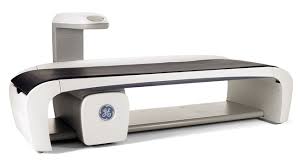 Pros: One of the gold standards for body composition measuring, quick, easy, very detailed report.
Cons: May cost around $50.
The bottom line is there are many ways to measure body composition. Some are more accurate than others, some give more or less information, but you can't go wrong using any of these tests to find out exactly what your weight means for your health.